


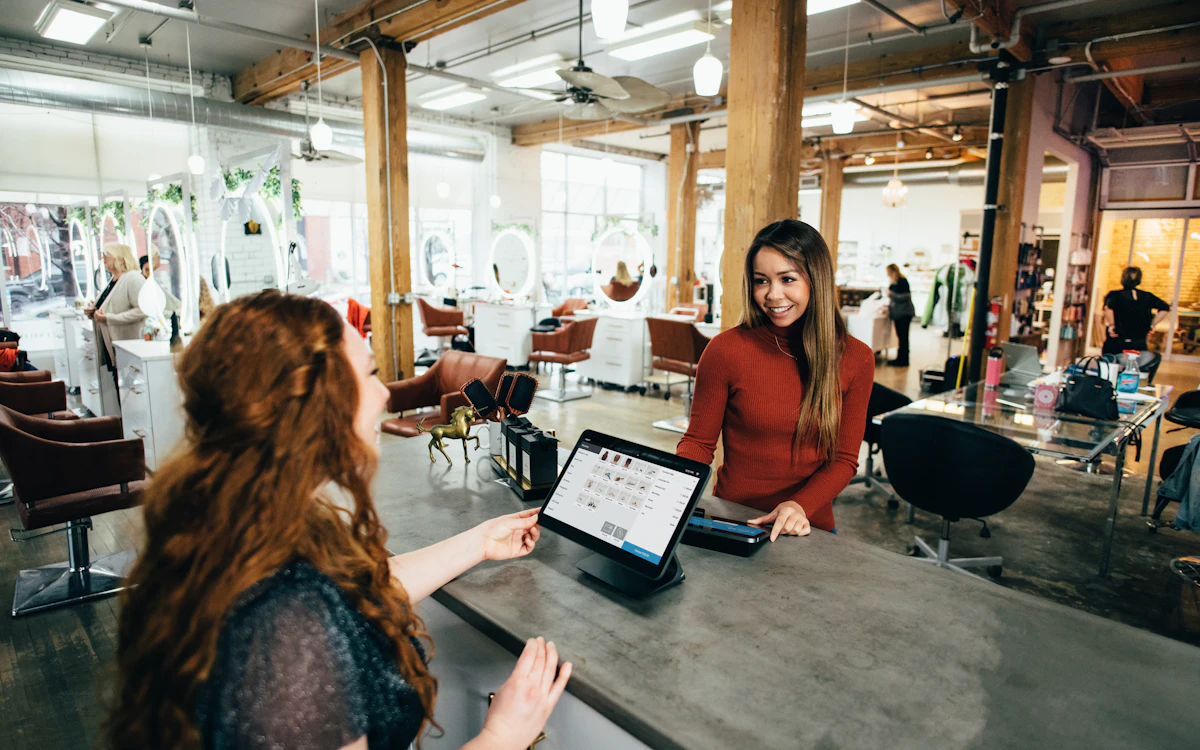
Picture a typical Panamanian boutique: it sells well on Instagram, but every month it's harder to land new customers. It depends 100% on the algorithm. Its website is a generic template almost nobody visits, and it posts whenever it remembers to. Sound familiar?
This article is a playbook on how to increase boutique sales: the step-by-step we apply when a brand in this situation asks us for help. It isn't one specific case; it's the script we see repeat itself and the methodology that unlocks it. The goal: within about 90 days, the boutique stops depending on the algorithm alone and has a system that sells more consistently.
To increase boutique sales in 90 days, work in three stages: first define your brand and who you sell to, then send customers to a website with a catalog, online payments and tracking, and finally post on a schedule and run a small ad budget you adjust every week based on the data.
The starting point they all share
When we run an initial audit on a boutique at this stage, the findings are surprisingly similar:
- Inconsistent visual identity: the Instagram logo doesn't match the one on the shopping bag, photos don't follow a pattern, colors change from post to post.
- A website with no purpose: three or four generic sections, no clear call to action, no integrated payment gateway.
- Reactive content: posts when there's time, with no editorial calendar or strategy behind them.
- Zero measurement: no Google Analytics, no Meta Pixel, no dashboard showing what works and what doesn't.
"I felt like I was running on a treadmill — lots of effort, same place." We hear this line every day.
The challenge, then, isn't to work harder. It's to change the system. To go from having a digital presence to having a digital ecosystem. And that's built in three clear stages.
Stage 1 · Branding (weeks 1 to 3)
Before the logo, before the colors, before a single pixel — we define the brand's identity. Discovery sessions to clarify:
- Brand archetype (is she the creator? the sage? the lover?)
- Voice and tone (warm, formal, playful, premium)
- A concrete promise (what happens to the customer when they buy)
- Positioning vs. competitors
That produces a coherent visual system: editorial typography, a strategic (not decorative) color palette, a photography system and complete brand guidelines. Logo variants, digital stationery, IG templates, mockups.
Stage 2 · A website that sells (weeks 4 to 6)
With the brand defined, it's time for the house. The tool matters less than the architecture: for boutiques we usually go with Shopify Lite or a custom site on its own domain. What we don't negotiate on:
- A hero with an emotional headline and a single primary CTA.
- Featured products with storytelling, not just a price.
- Visible social proof: real testimonials with name and photo.
- Return policy in plain sight: it reduces the cognitive friction of buying online.
- Local + international payment gateway: Yappy for Panama, Stripe and PayPal for international.
- Tracking from day one: GA4, Meta Pixel and conversion events set up before launch.
Without data there are no decisions — just opinions. That's why measuring is the first principle.
Stage 3 · Digital management (weeks 7 to 12)
With a new brand and a new house, the traffic engine kicks in. We structure content using the 40 / 30 / 20 / 10 rule:
- 40% educational — tips, advice and hacks that build authority.
- 30% social proof — before-and-afters, testimonials, case studies.
- 20% behind the scenes — process, day-to-day, mood boards.
- 10% conversion — offers, drops, special bundles.
In volume, for a typical boutique this means 12 feed posts a month, 4 reels and daily stories coordinated with an editorial calendar. Meta ads targeted by interests (fashion, lifestyle, women 25 to 45, geotargeted) with creatives in weekly A/B testing. We start at $50 a month and scale based on performance. To work out how much you can afford to spend for your margin, see break-even ROAS for Facebook ads.
How to increase boutique sales and measure the results
We don't give figures up front: results depend on the product, the market, the budget and how consistently the plan is carried out. What you can do is measure from day one and compare each month against the previous quarter. These are the metrics we track:
- Online sales and number of orders, split by channel (website, Instagram, WhatsApp).
- Website visits and where they come from, to see whether content and ads are sending traffic.
- Cost per conversation or per purchase on your ads, so you keep the creatives that work.
- Average order value, which tends to improve when the catalog is well organized and suggests combinations.
- Returns and exchanges, which tend to drop with photos true to the product and a clear size guide.
What usually moves first is the part you control: more website visits, more messages from people ready to buy and fewer repeated questions about prices, sizes or shipping. Sales follow once that system has been running for a few weeks.
Frequently asked questions
It depends on where you start. Changes to the website and content usually show early signals within the first weeks, such as more visits and more messages, but judge sales at the end of the quarter, not week by week.
It helps a lot. Instagram brings customers in, but a website with a catalog, prices and online payments lets them buy without waiting for a reply, and it gives you data Instagram doesn't show.
In this plan we start with $50 a month on Meta and only raise the budget once a creative proves it brings sales or conversations. Test small and scale what works.
Sales and orders by channel, website visits, cost per purchase or per conversation on your ads, average order value and returns. Compare each month against the previous quarter.
The lesson that matters
Branding without a website is vanity. A website without digital management is a flyer on an empty street. Digital management without branding is noise forgotten in a single scroll.
All three together, in this order and executed consistently, is where the magic happens. What we deliver isn't "more Instagram" — it's an ecosystem designed to sustain itself and keep producing results months after handoff.
If you recognize yourself in the starting point I described at the beginning, we can look at your case. Request a free audit: we review your website and Instagram and tell you which stage comes first, from branding to web design in Panama and social media management.